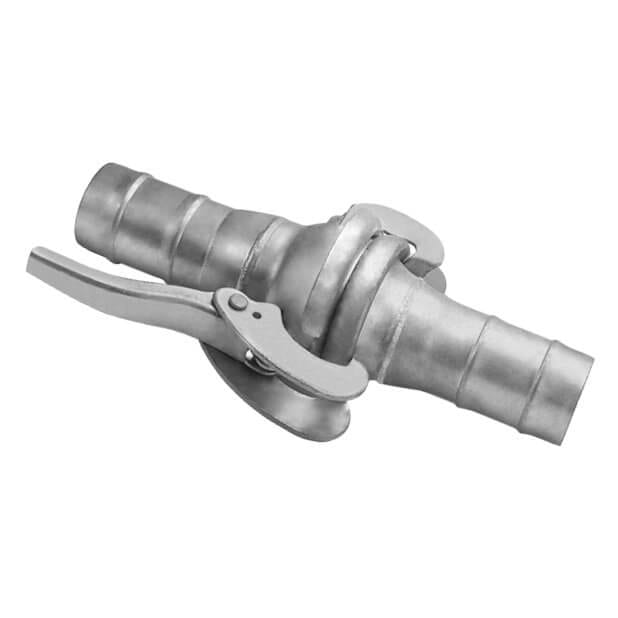
Types of Bauer Couplings

Bauer couplings are a type of quick-release coupling used for joining hoses together in fluid transfer applications. They are commonly used in industrial settings, agriculture, firefighting, and other applications where the quick connection and disconnection of hoses is required. There are several types of Bauer couplings available, including:

  1. Bauer Type A: This is the most common type of Bauer coupling and features a male and female coupling with lever locking. The male coupling has a rounded end with lugs, while the female coupling has recesses to receive the lugs and a lever for locking.
  2. Bauer Type B: Similar to Type A, but with a more compact design. Type B couplings also feature a male and female coupling with lever locking, but the male coupling has a straight end with lugs, and the female coupling has recesses to receive the lugs and a lever for locking.
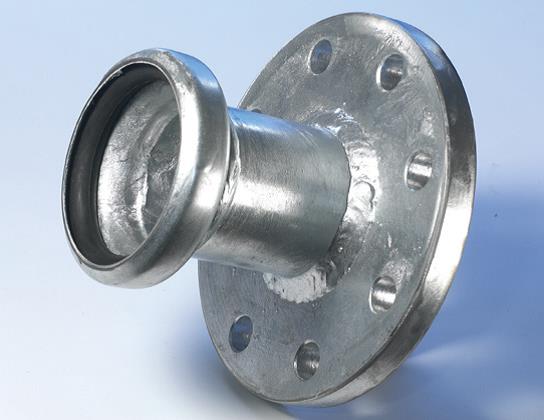
  3. Bauer Type C: This type of coupling is designed for use with a weld-on end. The male coupling has a spigot end that can be welded onto a pipe, while the female coupling has a recess to receive the spigot end and a lever for locking.
  4. Bauer Type D: Type D couplings are used for connecting hoses to equipment such as pumps or tanks. They consist of a male coupling with a thread and a female coupling with a swivel nut and tailpiece. The thread on the male coupling allows for connection to the equipment, while the swivel nut and tailpiece on the female coupling connect to the hose.
  5. Bauer Type E: These couplings are specifically designed for suction applications, where a hose needs to be connected to a suction pipe or other equipment. They consist of a male coupling with a spigot end and a female coupling with a recess to receive the spigot end and a lever for locking.

These are some of the common types of Bauer couplings available in the market. The specific type of coupling required depends on the application and the equipment being used. It’s always important to consult the manufacturer’s specifications and guidelines to ensure the correct type of coupling is selected for a particular application.
Different Types of Rigging Equipment

Rigging equipment refers to the various tools, devices, and machinery used to lift, move, and position heavy loads in various industries such as construction, manufacturing, and shipping. This equipment is essential for the safe and efficient movement of heavy loads and must be chosen based on the type of load, distance to be moved, and other specific requirements. In this article, we will discuss different types of rigging equipment commonly used in various industries.

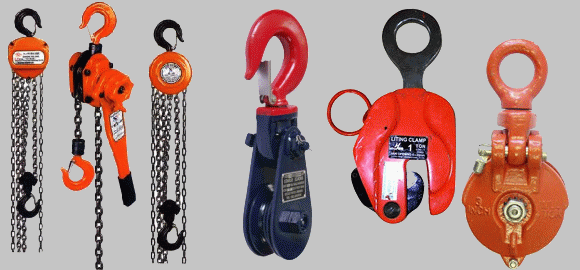
  1. Hoists: Hoists are mechanical devices used for lifting and lowering heavy loads. They consist of a motorized drum or wheel with a chain or rope wrapped around it. Hoists can be manual or electric and come in various sizes and capacities, depending on the weight of the load being lifted.
  2. Cranes: Cranes are large, mobile machines used to lift and move heavy loads over short distances. They consist of a boom, which is the arm that holds the load, and a cab, which houses the controls for operating the crane. Cranes can be used in construction sites, shipyards, and other areas where heavy loads need to be moved.
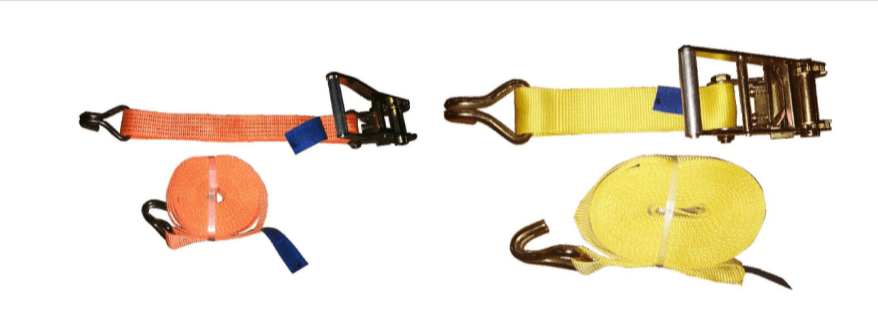
  3. Slings: Slings are straps or chains used to wrap around a load to distribute the weight evenly. They come in various materials, such as nylon, wire rope, and chain, and can be used for different types of loads, including cylindrical, round, and flat loads.
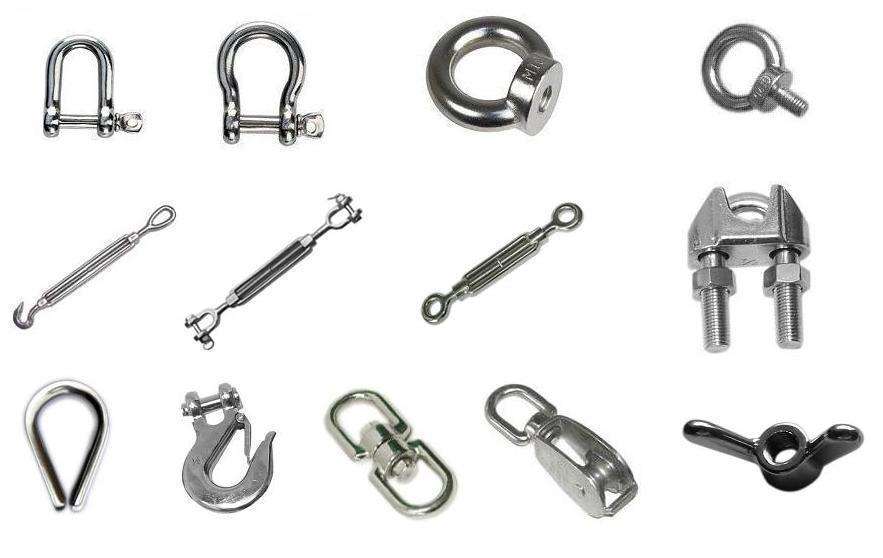
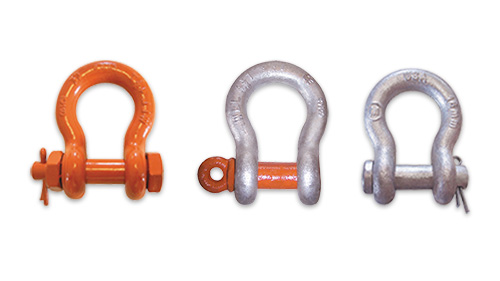
  4. Shackles: Shackles are U-shaped metal devices used to connect slings, chains, or ropes to a load. They come in various sizes and shapes and can be used for different types of loads.
  5. Pulleys: Pulleys are devices used to redirect the direction of a force. They consist of a wheel with a grooved rim and a rope or chain running through it. Pulleys can be used to lift heavy loads by reducing the amount of force required.
  6. Hooks: Hooks are devices used to connect a load to a chain or rope. They come in various sizes and shapes and can be used for different types of loads.
  7. Winches: Winches are devices used to pull or lift heavy loads. They consist of a drum or wheel with a rope or cable wrapped around it. Winches can be manual or electric and can be used for various types of loads, including boats and vehicles.
  8. Jacks: Jacks are mechanical devices used to lift heavy loads. They come in various types, including hydraulic, screw, and bottle jacks, and can be used for different types of loads, including cars, trucks, and machinery.
  9. Spreaders: Spreaders are devices used to distribute the weight of a load evenly. They consist of two or more arms that can be adjusted to fit the load. Spreaders can be used for various types of loads, including containers and machinery.
  10. Lifting beams: Lifting beams are devices used to lift loads that are too large or too heavy for a single sling or hook. They consist of a long, horizontal beam with multiple attachment points for slings or hooks. Lifting beams can be used for various types of loads, including large machinery and containers.
  11. Trolleys: Trolleys are devices used to move heavy loads along a track. They consist of a wheeled carriage that can be attached to a chain or rope. Trolleys can be used for various types of loads, including machinery and containers.
  12. Dollies: Dollies are devices used to move heavy loads over a flat surface. They consist of a platform with wheels or casters and can be manual or electric. Dollies can be used for various types of loads, including furniture and appliances.
  13. Skates: Skates are devices used to move heavy loads over a flat surface. They consist of a platform with wheels.

Your Guide To Selecting The Right Chain Block

WHAT EXACTLY IS A CHAIN BLOCK?
A chain block, also known as a block and tackle, is a method of lifting heavy loads using a sprocket-driven chain that has been reduced through a series of gears so that it can be driven by hand using another (non-load bearing) chain and sprocket.

WHAT IS THE PURPOSE OF A CHAIN BLOCK?
Chain blocks are typically used in places where there is no power. Chain blocks are used to lift light or heavy loads vertically where precision, rather than speed, is essential.

They can be used safely and easily by one person, such as when a technician needs to carefully lower a hoist into place or remove a motor from a tight spot.

THE ESSENTIAL COMPONENTS OF A CHAIN BLOCK

Load sprocket or main sprocket
This unit is intended to manage a specific load and chain dimension.

Chain

Mated perfectly with its sprocket and comes with various forms of weather protection. Galvanized chain, for example, will provide greater resistance to moisture and rust.

Pawl
This is a unidirectional gearing mechanism that runs freely when the hand wheel is turned up but has angled teeth and a pawl that holds the load when the hand wheel is not turned on.

Case of the gearbox
The gearbox or reducer This is where the magic happens, multiplying the operator’s effort and allowing them to lift heavier loads. Gears must be kept lubricated and free of dust and debris.

Chain and hand wheel
As the name implies, this is the part that connects the operator to the equipment.

ADVICE FOR Buying A CHAIN BLOCK
Look for brands that provide maximum safety protection (overload protection) and provide better value in terms of life span and cost of ownership. Be wary of brands that use non-standard chain sizes, as this may reduce your productivity when distributors run out of stock. Non-standard chains are also significantly more expensive than standard chains, with no discernible quality improvement.

If you are looking for chain block suppliers in UAE or electric chain block suppliers in Dubai, please contact us. For more information on our products and services, please visit us or call +971 4 2236724!

Things To Consider Before Choose The Proper Rigging Equipment

Rigging Equipment

The rigging process requires not only highly trained professionals but also good quality equipment. Rigging Equipment may include grains, ropes, change cables, etc., and they need to be of good quality to perform the tasks better. In this article, we will learn about a few things that you should consider before finalizing equipment.

Know Your Requirements:

Before investing your money in huge Machineries, which is not cheap, you must make sure that you are fully aware of the requirements that you have. If doubting which one you should buy, you should consider talking to your colleagues and people who are in the business of buying rigging equipment frequently.

There are many types of rigging Tools present in the market depending upon their uses, formation, materials that are built by, sizes, etc., you need to look through all these aspects and make an informed decision.

Keep In Mind the Laws and Regulations:

While buying rigging equipment, it is necessary that you keep in mind all the rules and regulations present in the market regarding the same. You need not take this away from any regulation or protocol.

Especially with domestic, industrial, and commercial sites, you have to follow the regulations and ensure that the method of buying the equipment falls under the protocols of the government.

If you are unsure about the protocols and regulations, you may not worry as the manufacturer or the seller of the equipment will let you know about the protocols. You can also take advice from your colleagues and people involved in this business.

Do Not Forget About the Environment:

Another important factor that you should keep in mind before finalizing the equipment for your site is the environmental factor. You must know which site you are going to use the it on, the surroundings, and different other factors.

The Equipment must not negatively affect any of the above factors. For dry and windy environments, the equipment used is different, and for the environment which is filled with moisture and is wet, the equipment is different.

Before finalizing the drilling equipment, make sure that it is fit for the environment that it is being used in. If you are planning to buy Rigging Equipment in UAE, you may go to Roma Enterprises as they provide good quality.

What is the Importance Of Rigging Equipment In Construction?

In the modern world, a lot of equipment has been invented to make the work smooth and easier. One such equipment that is used in a lot of industries, such as event staging, constructions, and engineering workshops, is the Rigging Equipment. This equipment not only makes the work more comfortable but also helps finish the work effortlessly.

Equip yourself with the right technical knowledge

Even if a crane is present on the construction site, the rigging equipment is a crucial part of this industry. They are used to push, pull, and also for lifting heavy weight objects on the construction site.

To use the rigging equipment, one needs to have adequate technical knowledge. Such equipment includes devices like turnbuckles, wire rope, chains, rigging screws, cables, etc.

Importance of rigging equipment in the construction industry

The rigging equipment has a lot of importance in the construction industry. Some of them are:

  • Safety: Safety is imperative for any construction site. The rigging equipment ensures safety when heavy machinery, other small equipment, and materials are displaced during a project. Hence, choosing the correct rigging equipment for construction work is very important.
  • Carry heavy loads: The rig can calculate the amount of load it can carry. It has different types of styles used to take the load and place it at the desired level. This helps reduce labor requirements.
  • Choose the hitch: There are three types of hitches available in a rigger — Basket, Choker, and Vertical. These hitches assist in the perfect lighting of materials and keeping them at the appropriate place. The different sizes and angles of the hitches help to put the heavy materials in the correct place, making the construction process easy.
  • Saves money and time: If you have a rig at your construction site, it helps to save a significant amount of time and money. Subsequently, you do not have to hire a lot of semi-skilled labor, thus the work can be done faster and with more perfection.

If you are working in the construction industry, you must know how to correctly use the rigging equipment and the benefits of using this equipment safely.

Roma Enterprise offers the best rigging equipment like Load Binder that can be efficiently utilized in the construction industry. Make sure to pay heed to your requirements before making the purchase so that you can get the perfect bang for your buck.

A Guide to Select between Bauer Coupling or Flanged Fittings

Bauer Coupling Suppliers

Reliable, secure, and resilient connections to fittings and pipework are vital when using pumps for any reason. Unreliable connections lead to incompetent systems, enlarged downtime, and the risk of potentially costly leaks – including those which can attract heavy fines.

In the water industry, there are two main kinds of connection in use– Bauer fittings and flanged fittings. However, for water handling applications, there is frequently confusion around which kind of connection is better suited.

WHAT IS A BAUER CONNECTION?

A Bauer connection, also known as a ‘Bauer fitting’ or ‘Bauer coupling’ in some ways, is simpler and faster to use than a flanged connector. Bauer fittings are widely used in the industry and installing them is just a case of clicking male and female connectors together and securing them with a handle closure ring.

WHAT ARE THE PROS AND CONS OF BAUER CONNECTORS?

Bauer connections are frequently cheaper to install and faster to deploy than flanged connectors. However, they do come with important disadvantages, as easier and cheaper isn’t all the time best.

They won’t be appropriate for every pump or pipe setup as these connections are obtainable in a limited range of diameters.

At coping with high pressures, they are less able than flanged connections, meaning they should never be used with high heat pumps such as those in the Selwood H range.

To the risk of pollution incidents, inefficiencies and delay, and the risk of possible injury to people nearby, they can be prone to leaks, leaving users open.

To possible vandalism, another concern is that Bauer connections are not tamper-proof, leaving installations less safe and more open.

WHAT IS A FLANGED CONNECTION?

For applications such as sewer bypass, pumping stations, treatment works, and high-pressure applications, flanged connectors are firmly bolted together, creating tight and reliable seals which are preferably suited.

WHAT ARE THE BENEFITS AND CONS OF FLANGED CONNECTORS?

As Bauer connections, flanged connectors still permit easy access for inspection, cleaning, or maintenance although they are not fairly as quick to deploy.

When it comes to suppleness and compatibility with pumps and pipework, they come in a wide variety of diameters, giving them a vast advantage over Bauer connectors. This also helps reduce friction, meaning smaller and more energy-efficient pumps can be used with them, using less power and reducing the environmental collision of your pumping operations.

Conclusion: Above information related to select between Bauer coupling or flanged fittings can provide an overview of it and can be helpful to choose the best between them. A reliable connection is necessary as it can reduce downtime manufacturing process.

Top Effective Applications of Webbing Slings

A webbing sling is helpful to carry the weight of 1 ton to 10 tons. As per the color of the sling, they are distinguished. Their usage process is different but they serve the same purpose as wire ropes. Webbing slings are opposed to corrosion & abrasions; they are long-lasting & sturdy. They are made of polyester, unlike the additional steel ropes.

There are different types of them based on the function of slings. Lifting, towing, & pulling will require different types of slings.

SEVERAL FUNCTIONS OF WEBBING SLINGS–

  • Constructions Industry- For raising tools & loads, or lowering these items back down, webbing slings are most frequently used in the construction industry. With the flexible nature of webbing slings, & the fact that they can be tied into a basket hitch, means on construction sites, they can envelop simply around odd-shaped loads frequently found.
  • Transportation Industry- Webbing slings are used by thousands of shipping & trucking companies every day, the transportation industry is perhaps the largest user of high-strength webbing.
  • Hardware Industry: With various forms of a tie, webbing is frequently outfitted down hardware to expand its range of abilities. The hardware can get the form of end fittings such as snap hooks, S-hooks, J-hooks.

These are several Of the Other Functions of Webbing Slings That We Use Almost Every Day.

Slings are made of polyester & it is fairly strong & durable. As compared to wire ropes, that makes them lighter. In rugged & harmful environments, their functions are more. If you have a graded & quality product, they are extremely dependable. On the sling, lifting, towing & carrying of big equipment, loads & cargo put a lot of strain. Therefore, you must employ the right kind of product that is graded. Despite having a lot of other uses, the majority of users that they discover is in the carriage function. Here is where it is significant to know your product. You require a reliable manufacturer, so it is accomplished that if you are looking for a high-quality webbing sling, specialized products, grading, & details on functioning, quality assurance particularly in the area of heavy lifting equipment.

Conclusion:  Webbing Slings is helpful to carry heavy things easily. This kind of slings is made of polyester & it is fairly strong & durable. The above information will be helpful for effective applications of webbing sling.

6 Amazing Uses of Webbing Slings

First, it’s essential to understand why webbing slings may be used in many ways.

A webbing sling consists of two looped eye holes on either end of a flat piece of polyester webbing. Lightweight and flexible, they may be used to wrap around goods, objects, or burdens because of their polyester construction. Despite this, webbing slings provide a unique set of advantages over conventional lifting equipment, such as wire rope, in that they are lighter.

  1. Activities That Require Lifting And Lowering

Webbing slings are most often used for lifting and lowering jobs, where their most significant value lies. However, even though they can only raise a limited amount of weight, they are accommodating in situations when power is less critical. Webbing slings, for example, are ideal for wrapping around odd-shaped loads and broad bearing surfaces owing to their lightweight construction. Even though wire ropes are more durable, they lack the adaptability of webbing slings. Webbing slings have a unique role in lifting and lowering because of this. Check out Roma Enterprises official website to get complete detail.

  • Climbing The Rockies

The British Mountaineering Council has supported the usage of webbing slings in mountain climbing. Webbing slings are used to secure the lead climber around rocks or trees or via thread holes. Webbing slings are crucial to several aspects of climber rope safety. A longer webbing sling may be utilised if a more extended connection is needed. Find the best webbing sling suppliers in UAE.

When storing or mooring a boat, webbing slings are ideal since they provide a safe and secure lifting method. Additional eyes, sleeves, and lead weights may be added to slings for more safety and protection.

  • Towing A Car

Tow vehicles such as automobiles, trucks, lorries, diggers, buses, campers, horseboxes, and trailers using webbing slings. Recovery belts are the best option if you need to get cars out of mud, snow, ditches, or stuck sand.

  • Putting Out The Flames

Firefighters utilise webbing slings in what’s called a webbing sling drag. Using a webbing harness, a firefighter may safely remove an injured person from harm’s way without risking their safety or the safety of the wounded person. For more details, you may contact Roma Enterprises.

  • Getting Started With Slackline Building

Webbing slings are standard equipment used to construct slacklines, just a string connecting two places.

  • Laying of Pipes

Laying pipes typically involve the use of a webbing sling. Tubing may then be lifted or lowered into position by wrapping the webbing slings around it.

Conclusion

From household objects to heavy-duty industrial lifting jobs, webbing slings may be used for a wide variety of things. If you utilise a webbing sling in any way, you must ensure that you do it safely.

Top Benefits of Bolt Tensioner – How to Choose a Reliable Supplier?

When a power cable is out of place, the main problem is obvious – it is not connected to any power supply. Cable ties and other elements can be used as temporary solution, but when the problem is still there, a more permanent solution is required. Hence, the need for a portable tensioner that can be removed easily from its location and connected again elsewhere without the hassle of drilling holes or other complicated procedures.

The advantages of using tensioner are many. Below are the Top Benefits of Bolt Tensioners:

  • One of them is that this equipment is an all-in-one solution that not only solves the problem of power supply, but also eliminates the need for complex and time-consuming cable management. 
  • Using this kind of tensioner, a cable system can be managed easily, with its cables secured in one place while its end connections (cables) can be untied from the system in no time at all. 
  • In addition, it eliminates the possibility of an accidental disconnection that could lead to loss of valuable data or system resources.
  • Tensioners also provide additional protection to cables and other equipment. The presence of tensioner increases the life of the cable and other equipment. Due to the increased tensile strength of wire rope, the risk of damage due to exposure to the elements is greatly reduced. 
  • Also, a common cause of damage is the increase in the level of wear and tear that occurs over time. With the help of a tensioner, you can expect the life of your wire rope to be prolonged, thereby effectively protecting your investment. Thus, it will not require costly repairs, which can further impact on your business’ finances.

Find a reliable supplier in Dubai:

Finding a reliable tensioner supplier in Dubai is not a problem. All you must do is find a reputable and trustworthy dealer, who can provide you with top-quality and durable wire rope that can meet the requirements and needs of your business operations. Also, you must make sure that you only buy tensioner from a supplier that can provide customer satisfaction and service.

To do so, it is very important for you to research about the quality of products that the supplier can produce. Aside from the type of materials used, you also must ensure that the supplier possesses the capability of meeting your business needs. For instance, you must check whether they can meet your production needs, including the number of pieces that they can produce per hour. Also, check their customer testimonials and feedback to know more about their services. In addition, you also must check if they have experience in installing and maintaining these products. This will ensure that you get high quality products and best value for your money.

It is also essential for you to find out the experience of these suppliers when it comes to installing and repairing tensioner. Remember that the quality of this equipment is very vital especially if you have professional installers perform this task. This will ensure that your customers will receive the best service. You also need to consider the warranty policy of the supplier. This is very important as this can protect you from experiencing technical difficulties due to some defects. Last but not least, choose a supplier that offers a wide range of quality products that can offer you years of reliable service.

How Are Lashing Equipment Important for Cargo Safety?

lashing equipment suppliers UAE

When a ship sails out to sea, it meets external factors that cause the boat to move in six different ways. These vibrations are hazardous for boats that require cargo to be lashed and secured on the open deck.

If cargo storage is not secure enough, there is no escape from the behaviour of the seas and the wind after they have expressed their fury. As a result, the laden cargo suffers a toll, inflicting damage to nearby cargo as well as the vessel’s structural and fittings and potentially pitching the load overboard. Improper cargo lashing and failure to follow cargo stowage standards on ships endanger property, lives, and the environment at sea.

The responsible staff must prepare and guarantee that the cargo is always carried safely to avoid such scenarios. It is accomplished through careful container lashing equipment suppliers and fastening preparation.

POINTS TO REMEMBER WHILE SECURING CARGO

1. If the cargo is appropriately wrapped and there are no heavy components, an excellent tight stowage of cargo containers on ships may prevent the need to secure it completely.

2. Even if the area surrounding them is cramming with other goods, bulky and heavy units may still need to be secured. The possibility of such equipment slipping or tripping should be given special consideration.

3. Multiple components can be fastened or lashed together to form a single block.

4. Use permanent fastening points on the cargo, but keep in mind that these securing points are designed for inland transit and may not be ideal for securing other objects onboard ships.

5. Independent lashings must only be adequately fastened to appropriate vital locations of the ship’s fittings and structure, preferably the specified lashing points.

6. For a better hold, cargo lashings should be tight and as short as feasible.

7. If possible, keep the many lashings to one cargo item under equal stress. Integrating several material components with varying strengths and flexibility should be avoided at all costs.

8. When on a journey, cargo lashings must be examined and tightened.

9. When the ship rolls through 30 degrees with a 13 second period, the lashings should be sufficient to keep the cargo from shifting.

10. Securing the cargo to the ship by tightening it down will help secure it entirely before it shifts.

Conclusion:

Roma Enterprise has been a lead supplier for the last 44 years in marine equipment and rigging hardware. To get more details and receive the best product, call us on +971 4 223 6724. Hurry Up!

Design a site like this with WordPress.com
Get started